
Arts
Andong Chajeon Nori
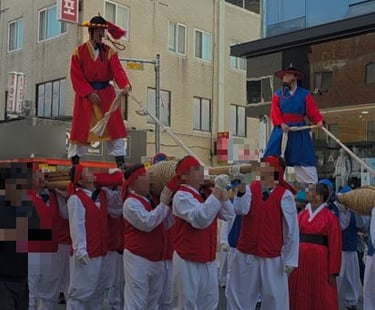
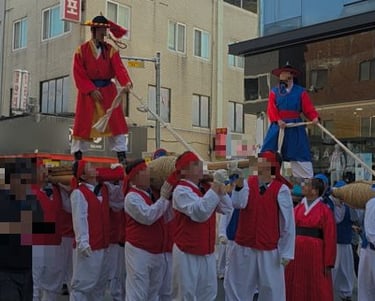
The Andong Chajeon Nori is a mock chariot battle performed as a folk play and as a rite to pray for a good harvest. It is said to have its origins in battles between a Later Baekje period rebel leader and a Goryeo Dynasty king, which would date it to the tenth century. First, trees would be selected and felled, and a sacrificial rite would take place. Much later and after the trees had been transformed into the desired structure, the battle would take place, with the whole village being involved and taking one of two sides. The two leaders would stand on the wooden structures that had been made with the felled trees and the battle would commence with the winner and loser being decided based on whose wooden frame had or had not fallen to the ground.
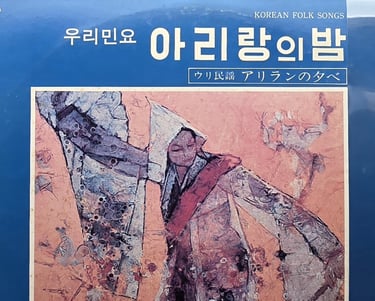
Arirang
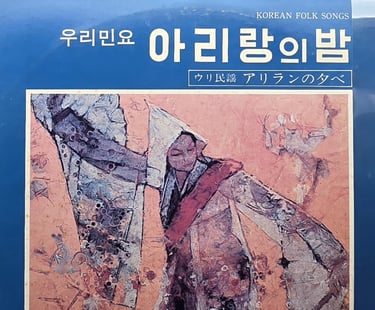
Arirang is a lyrical folk song that has been passed down through the generations, but its beginnings remain unclear other than the fact that it seems to have originated from a Gangwon-do folk song named Arari. Arirang consists of just a few lyrics, including the word Arirang, but there are many regional variations which maintain the title Arirang but incorporate the region name into the title. In fact, any song with the word Arirang in the chorus is known as Arirang, which means that there is an ever growing number of Arirang. Both the South Korean and North Korean Arirang were inscribed onto the UNESCO Representative List of the Intangible Cultural Heritage of Humanity in 2012.
Baltal
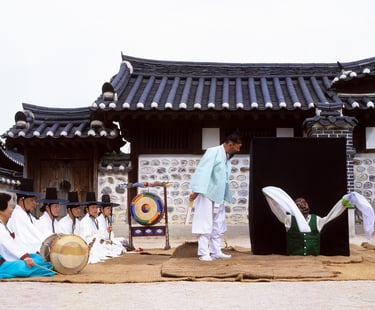
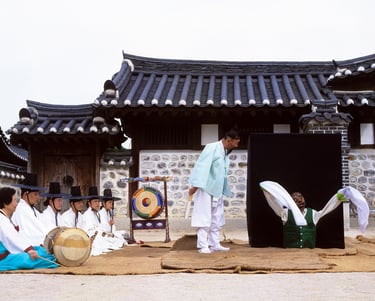
Baltal, or foot mask theatre, is in a way similar to puppet shows in that a person will remain hidden whilst controlling a puppet. In this case, the puppet is actually a face mask that is placed on the foot whilst the puppet arms are controlled by string. The performance involves singing, dancing and making jokes. Another person works in harmony with the mask puppeteer, but in full view of the audience and the performance is also accompanied by musicians. Photograph reproduced courtesy of the Korea Heritage Service website.
Bongsan Talchum
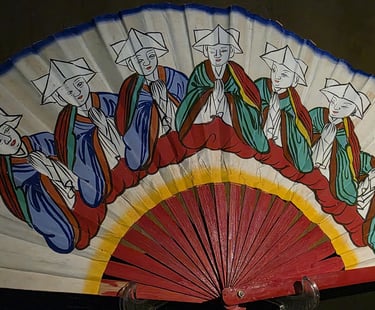
Bongsan Talchum is one of the better known mask dance dramas. There are actually two different types of Bongsan Talchum, which are location dependent, and each has its own masks, costumes and dance moves. The Bongsan Talchum has seven acts and a close and has 36 different characters, making it quite large compared to some of the other mask dance dramas. Despite these differences, it does share similarities, including character type. Bongsan Talchum characters include monks and noblemen and as well as a lion, a dancer, an old woman and an old man. Most of the Bongsan Talchum acts focus on dancing, although as with other talchum, it is a combination of dance, dialogue, music and ritual. Bongsan Talchum was inscribed as National Intangible Heritage in 1967 and was inscribed onto the UNESCO Representative List of the Intangible Cultural Heritage of Humanity in 2014 as part of the 'Talchum, mask dance drama in the Republic of Korea' listing.
Bukcheong Saja Noreum
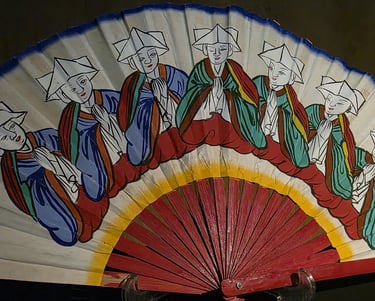
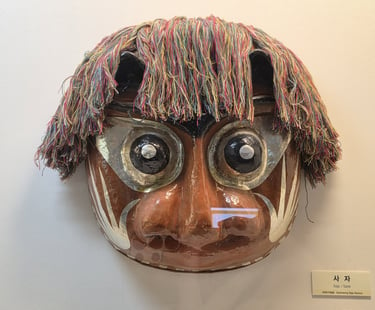
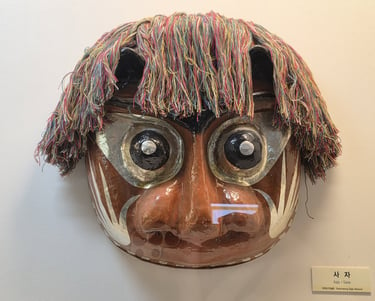
Bukcheong Saja Noreum is the lion mask dance of Bukcheong. The origins of the mask dance lie in the country of Bukcheong, which is in Hamgyeongnam-do, North Korea and it dates as far back as the Three Kingdoms period (57 BCE to 668 CE). The dance took place on the full moon on the 15th January on the lunar calendar, its purpose to drive away misfortune. Today the Bukcheong Saja Noreum Preservation Society is actively involved in preserving and presenting the dance. The Bukcheong Saja Noreum was inscribed as National Intangible Heritage in 1967 and was inscribed onto the UNESCO Representative List of the Intangible Cultural Heritage of Humanity in 2014 as part of the 'Talchum, mask dance drama in the Republic of Korea' listing.
Bulhwajang (Buddhist painting)
COMING SOON


Cheoyongmu
Cheoyongmu, otherwise known as the Dance of Cheoyong or the Dance of Cheoyong in Five Directions, is based on a tale from the Unified Silla period (676 to 935) in which a man named Cheoyong sang and danced to stop a deity passing on a disease to his wife. Originally the dance was performed by only one person, but this changed to five people in the fifteenth century. Each performer wears a mask and different clothes made up of the same five colours which represent yin and yang, with the intention of chasing away evil spirits. By the end of the fifteenth century the dance was being performed as part of a royal court ritual. The Cheoyongmu (Dance of Cheoyong) was inscribed as National Intangible Heritage in 1971 and was inscribed onto the UNESCO Representative List of the Intangible Cultural Heritage in 2009.


Daegeum Jeongak (classical daegeum solo music)
COMING SOON
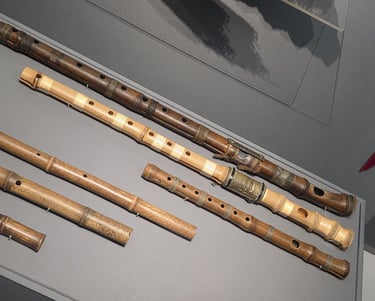
Daegeum Sanjo (freestyle daegeum solo music)
COMING SOON
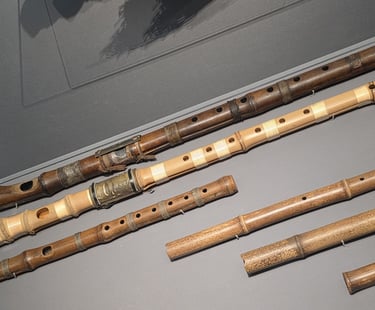
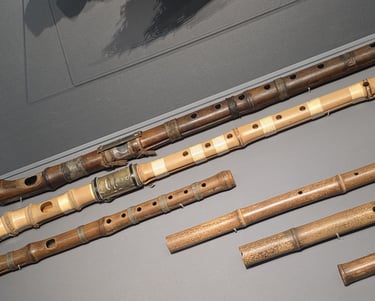
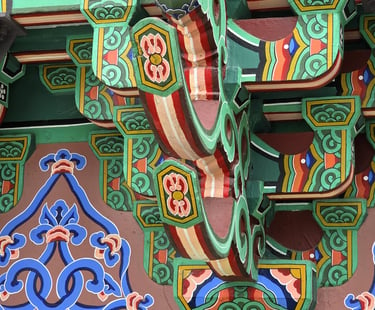
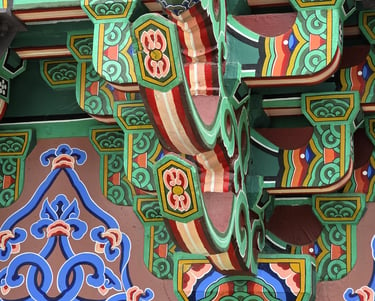
Dancheongjang (decorative painting)
COMING SOON
Dongnae Yaryu (mask dance drama of Dongnae)
COMING SOON
Dongnae Yaryu was inscribed as National Intangible Heritage in 1967 and was inscribed onto the UNESCO Representative List of the Intangible Cultural Heritage of Humanity in 2014 as part of the 'Talchum, mask dance drama in the Republic of Korea' listing.


Eunyul Talchum (mask dance drama of Eunyul)
COMING SOON
Eunyul Talchum was inscribed as National Intangible Heritage in 1978 and was inscribed onto the UNESCO Representative List of the Intangible Cultural Heritage of Humanity in 2014 as part of the 'Talchum, mask dance drama in the Republic of Korea' listing.
Gagok
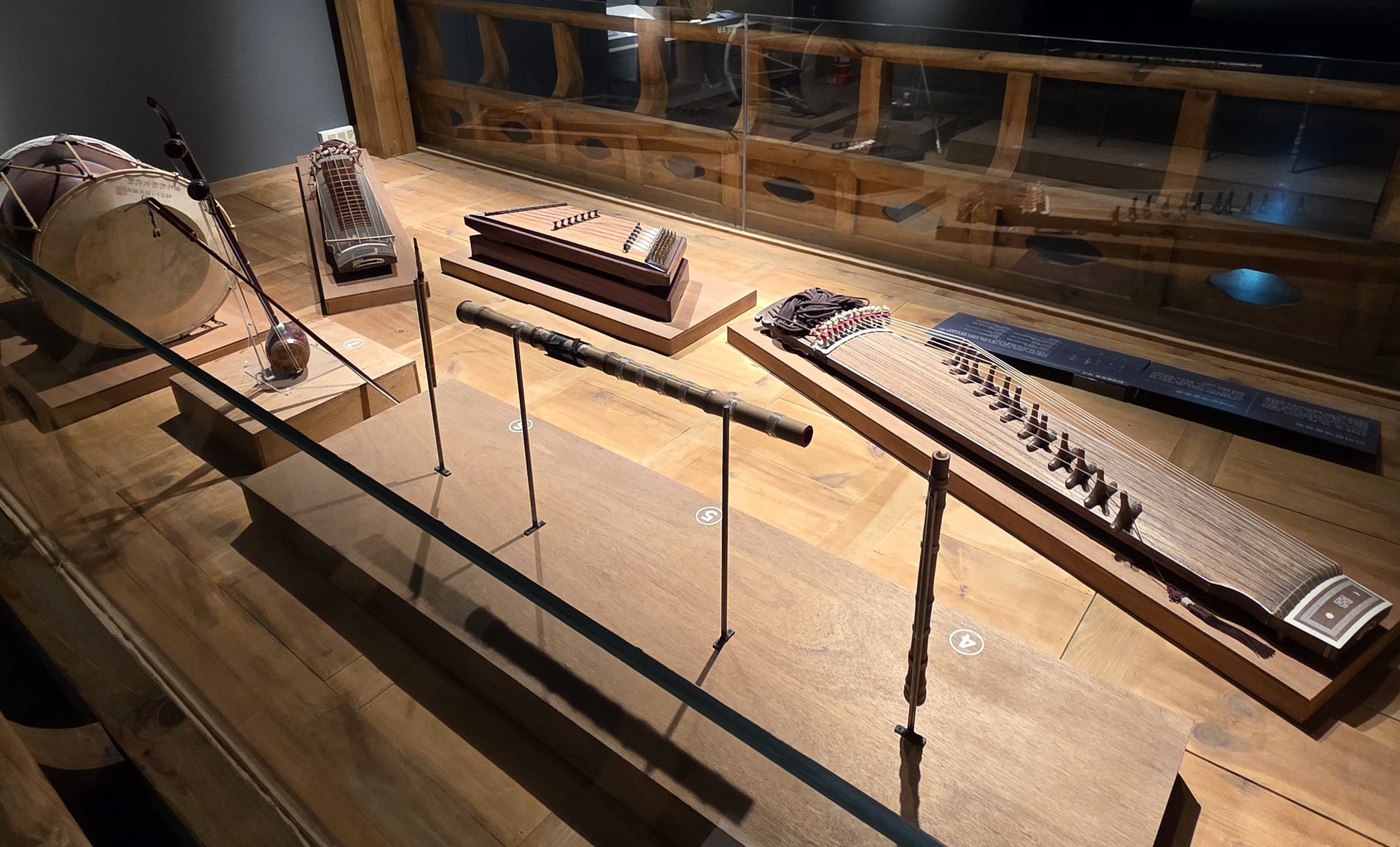
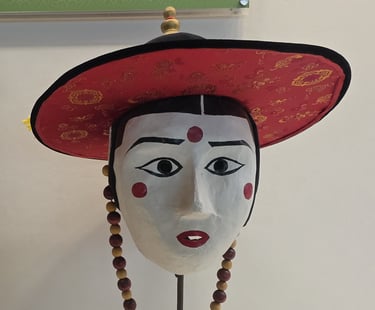
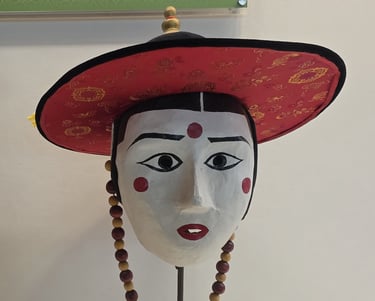
Gagok are lyrical song cycles that originate in the Joseon Dynasty. The lyrics are actually poems, and these are accompanied by a small orchestra made up of traditional instruments including the daegeum and piri as wind instruments, the gayageum, geomungo and haegeum as string instruments and the janggu drum. There are 26 songs that are specifically for men and 15 songs for women. Gagok was inscribed as National Intangible Heritage in 1969 and was inscribed onto the UNESCO Representative List of the Intangible Cultural Heritage in 2010.
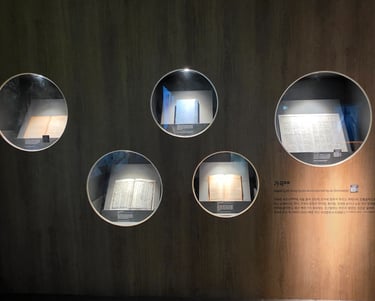
Ganggangsullae (circle dance)
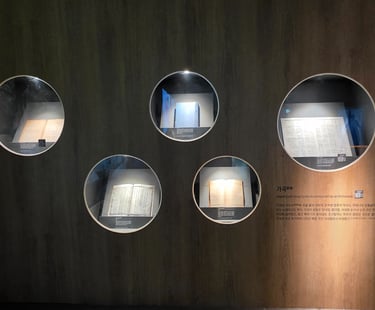
COMING SOON
The ganggangsullae was inscribed as National Intangible Heritage in 1966 and was inscribed onto the UNESCO Representative List of the Intangible Cultural Heritage of Humanity in 2009.
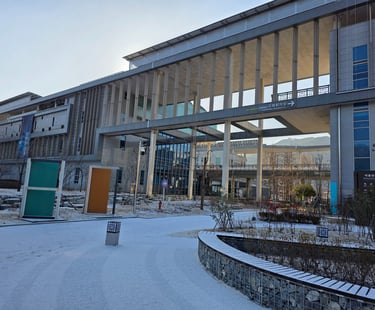
Gangneung Nongak (farmers’ performance of Gangneung)
COMING SOON
The Gangneung Nongak was inscribed as National Intangible Heritage in 1985 and was inscribed onto the UNESCO Representative List of the Intangible Cultural Heritage of Humanity in 2014 as part of the 'Nongak, community band music, dance and rituals in the Republic of Korea' listing.
Gangnyeong Talchum (mask dance drama of Gangnyeong)
COMING SOON
Gangnyeong Talchum was inscribed as National Intangible Heritage in 1970 and was inscribed onto the UNESCO Representative List of the Intangible Cultural Heritage of Humanity in 2014 as part of the 'Talchum, mask dance drama in the Republic of Korea' listing.
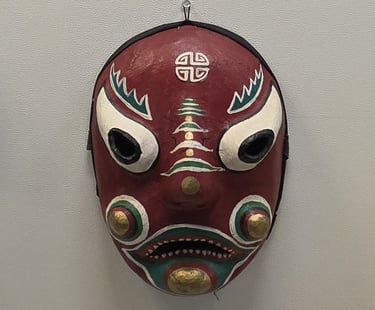
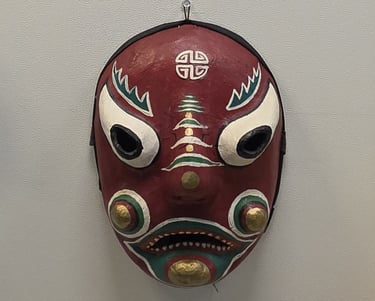
Gasa (narrative song)
COMING SOON
Gasan Ogwangdae (mask dance drama of Gasan)
COMING SOON
Gasan Ogwangdae was inscribed as National Intangible Heritage in 1980 and was inscribed onto the UNESCO Representative List of the Intangible Cultural Heritage of Humanity in 2014 as part of the 'Talchum, mask dance drama in the Republic of Korea' listing.
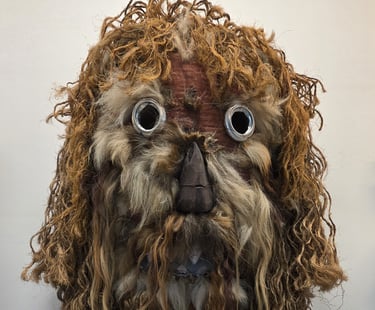
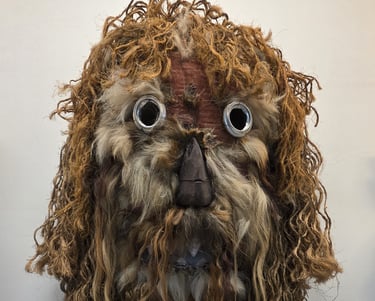
Gayageum Sanjo and Byeongchang (freestyle gayageum solo music and singing)
COMING SOON
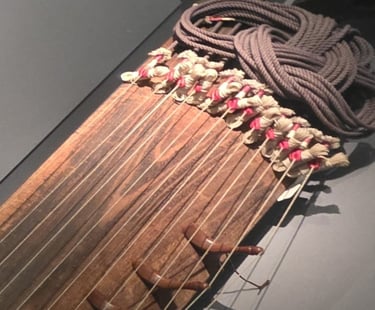
Geomungo Sanjo (freestyle geomungo solo music)
COMING SOON
Gimcheon Geumneung Binnae Nongak (farmers' performance of Binnae Village, Gimcheon
COMING SOON
The Gimcheon Geumneung Binnae Nongak was inscribed as National Intangible Heritage in 2019 and was inscribed onto the UNESCO Representative List of the Intangible Cultural Heritage of Humanity in 2014 as part of the 'Nongak, community band music, dance and rituals in the Republic of Korea' listing.
Goseong Nongyo (farmers’ song of Goseong)
COMING SOON
Goseong Ogwangdae (mask dance drama of Goseong)
COMING SOON
Goseong Ogwangdae was inscribed as National Intangible Heritage in 1964 and was inscribed onto the UNESCO Representative List of the Intangible Cultural Heritage of Humanity in 2014 as part of the 'Talchum, mask dance drama in the Republic of Korea' listing.
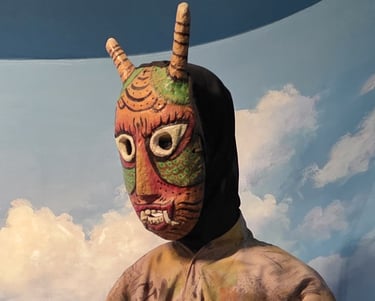
Gurye Hyangje Julpungnyu (string ensemble of Gurye)
COMING SOON
Gurye Jansu Nongak (farmers’ performance of Jansu, Gurye)
COMING SOON
The Gurye Jansu Nongak was inscribed as National Intangible Heritage in 2010 and was inscribed onto the UNESCO Representative List of the Intangible Cultural Heritage of Humanity in 2014 as part of the 'Nongak, community band music, dance and rituals in the Republic of Korea' listing.
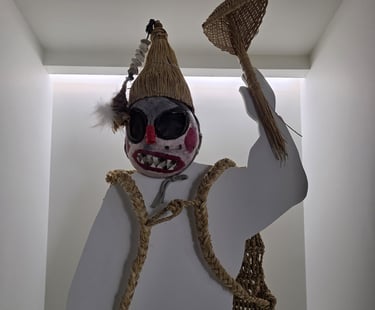
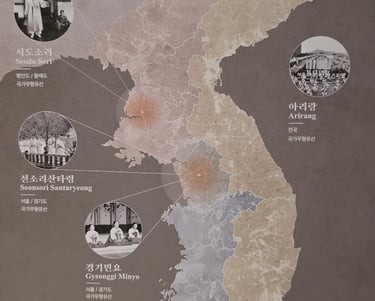
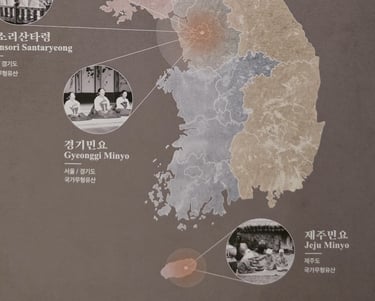
Gyeonggi Minyo (folk song of Gyeonggi area)
COMING SOON
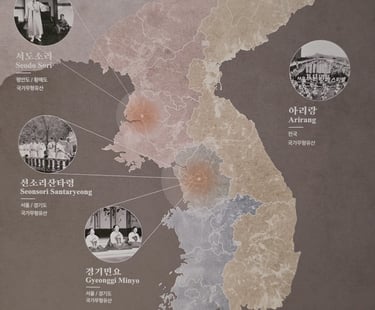
Hahoe Byeolsingut Tallori (mask dance drama of Hahoe)
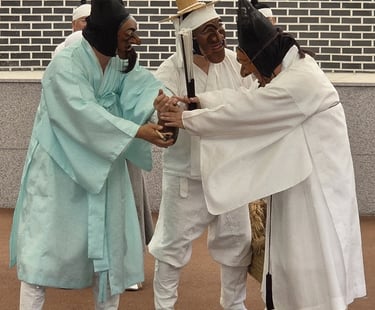
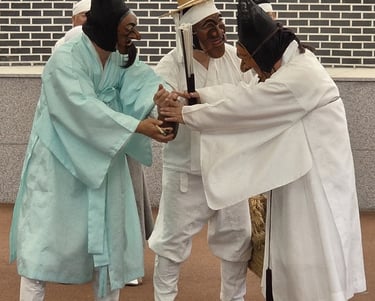
The Hahoe Byeolsingut Tallori is a post Lunar New Year mask dance performed to the village guardian for peace and a good crop. It is made up of eight different acts or madang: boy dancer, head monk, butcher, old woman, depraved monk, nobleman and scholar, wedding and first night - and throughout, the performance is accompanied by a farmer's band playing traditional instruments. The Hahoe Byeolsingut Tallori has been performed for around 500 years and is listed as UNESCO Intangible Cultural Heritage, whilst the masks used in the ritual are designated as National Treasures. Today, you can see some of these acts performed at the Hahoe Mask Dance Performance Hall, just on the outskirts of Hahoe Village. The Hahoe Byeolsingut Tallori was inscribed as National Intangible Heritage in 1980 and was inscribed onto the UNESCO Representative List of the Intangible Cultural Heritage of Humanity in 2014 as part of the 'Talchum, mask dance drama in the Republic of Korea' listing.
Hak Yeonhwadae Hapseolmu (crane dance and lotus flower dance)
COMING SOON
Hwanghae-do Pyeongsan Sonoreumgut (shamanic ox performance of Pyeongsan, Hwanghae-do)
COMING SOON
Imsil Pilbong Nongak (farmers’ performance of Pilbong, Imsil)
COMING SOON
The Imsil Pilbong Nongak was inscribed as National Intangible Heritage in 1988 and was inscribed onto the UNESCO Representative List of the Intangible Cultural Heritage of Humanity in 2014 as part of the 'Nongak, community band music, dance and rituals in the Republic of Korea' listing.
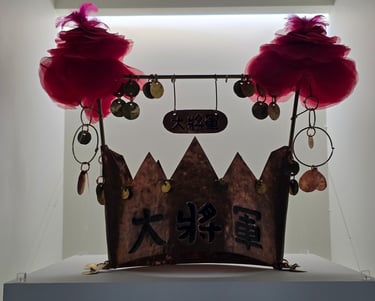
Iri Hyangje Julpungnyu (string ensemble of Iri)
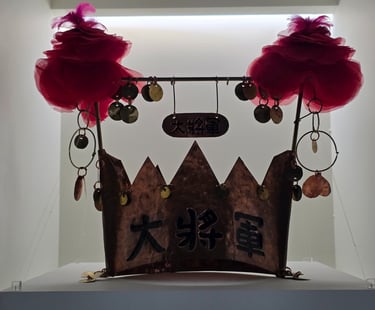
COMING SOON
Iri Nongak (farmers’ performance of Iri)
COMING SOON
The Iri Nongak was inscribed as National Intangible Heritage in 1985 and was inscribed onto the UNESCO Representative List of the Intangible Cultural Heritage of Humanity in 2014 as part of the 'Nongak, community band music, dance and rituals in the Republic of Korea' listing.
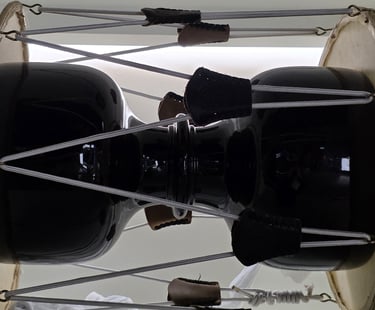
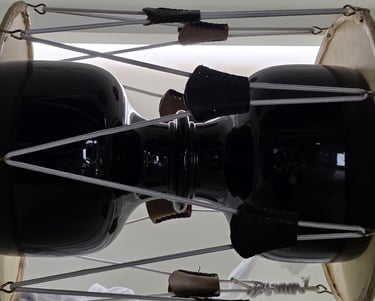
Jeju Minyo (folk song of Jeju)
COMING SOON
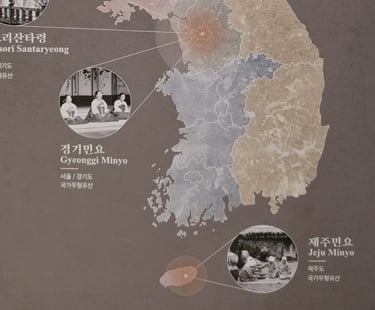
Jindo Dasiraegi (dasiraegi play of Jindo)
COMING SOON
Jinju Geommu (sword dance of Jinju)
COMING SOON
Jinju Samcheonpo Nongak (farmers’ performance of Samcheonpo, Jinju)
COMING SOON
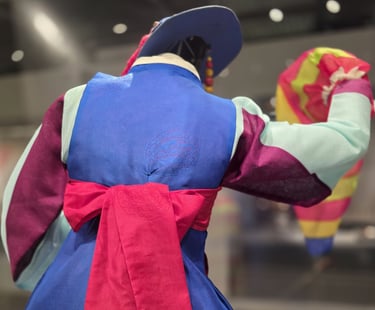
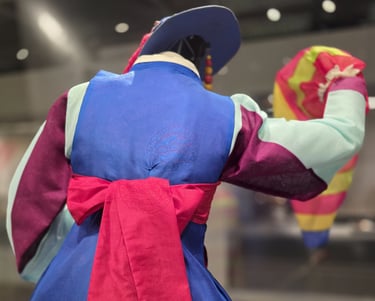
The Jinju Samcheonpo Nongak was inscribed as National Intangible Heritage in 1966 and was inscribed onto the UNESCO Representative List of the Intangible Cultural Heritage of Humanity in 2014 as part of the 'Nongak, community band music, dance and rituals in the Republic of Korea' listing.
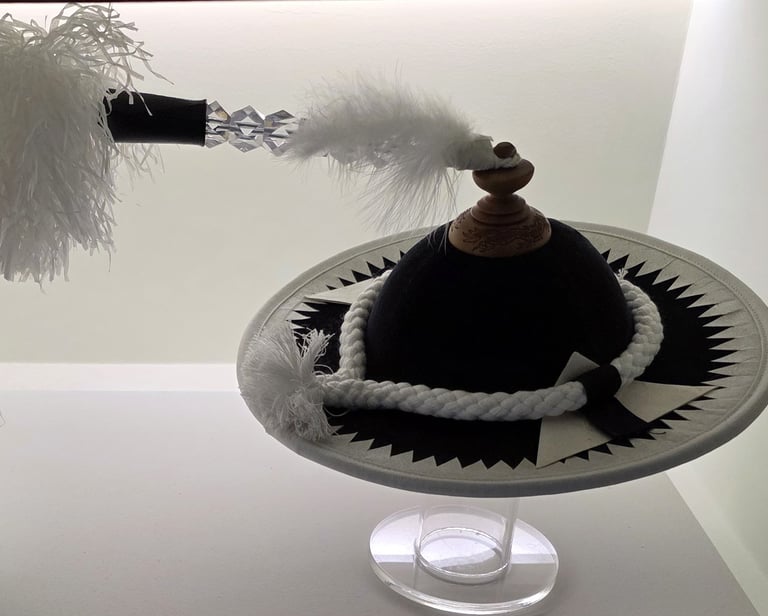
Jultagi (tightrope walking)
COMING SOON
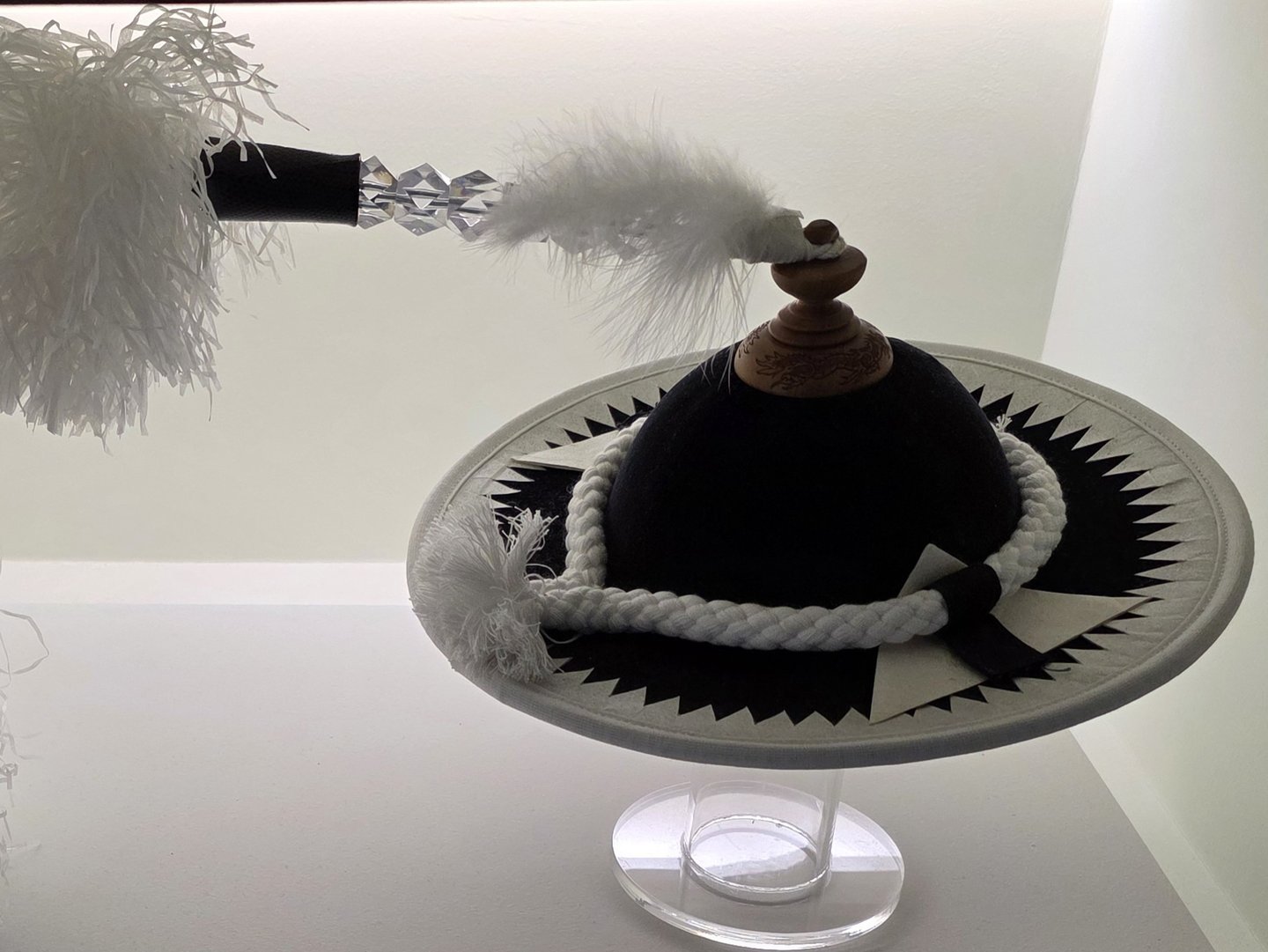
Jultagi was inscribed as National Intangible Heritage in 1976 and was inscribed onto the UNESCO Representative List of the Intangible Cultural Heritage of Humanity in 2011.


Nakhwajang (pyrography)
COMING SOON
Nakjukjang (bamboo pyrography)
COMING SOON
Namdo Deullorae (farmers’ song of Jeollanam-do)
COMING SOON
Namsadang Nori (itinerant troupe performance)
COMING SOON
The Namsadang Nori was inscribed as National Intangible Heritage in 1964 and was inscribed onto the UNESCO Representative List of the Intangible Cultural Heritage of Humanity in 2009.
Namwon Nongak (farmers' performance of Namwon)
COMING SOON
Namwon Nongak was inscribed as National Intangible Heritage in 2019 and was inscribed onto the UNESCO Representative List of the Intangible Cultural Heritage of Humanity in 2014 as part of the 'Nongak, community band music, dance and rituals in the Republic of Korea' listing.
Pansori (epic chant)
COMING SOON
Pansori was inscribed as National Intangible Heritage in 1964 and was inscribed onto the UNESCO Representative List of the Intangible Cultural Heritage of Humanity in 2008.
Piri Jeongak and Daechwita (classical piri solo and military band music)
COMING SOON
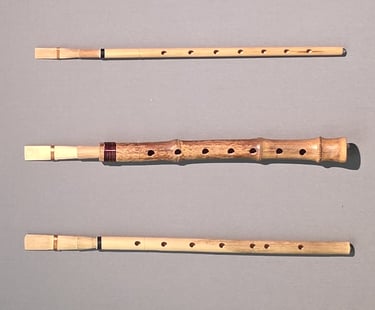
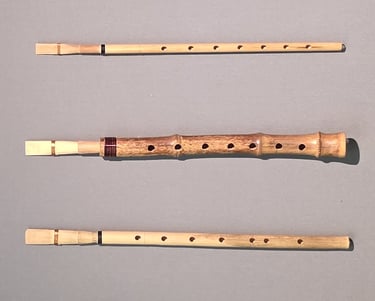
Pyeongtaek Nongak (farmers’ performance of Pyeongtaek)
COMING SOON
Pyeongtaek Nongak was inscribed as National Intangible Heritage in 1985 and was inscribed onto the UNESCO Representative List of the Intangible Cultural Heritage of Humanity in 2014 as part of the 'Nongak, community band music, dance and rituals in the Republic of Korea' listing.
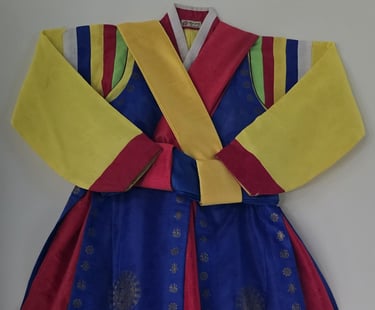
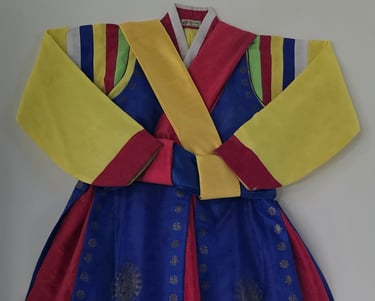
Seodo Sori (folk song of the western provinces)
COMING SOON
Seonsori Santaryeong (folk song of the mountain performed whilst standing)
COMING SOON


Seungjeonmu (victory dance)
COMING SOON
Seungmu (monk's dance)
COMING SOON
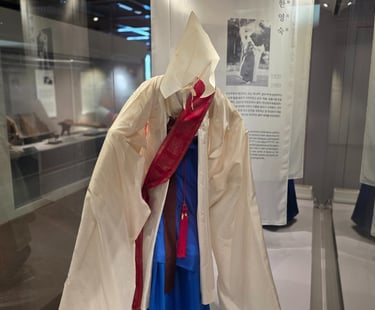
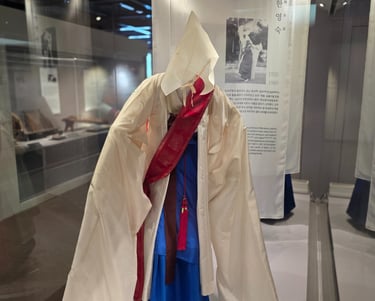
Songpa Sandae Nori (mask dance drama of Songpa)
COMING SOON
The Songpa Sandae Nori was inscribed as National Intangible Heritage in 1973 and was inscribed onto the UNESCO Representative List of the Intangible Cultural Heritage of Humanity in 2014 as part of the 'Talchum, mask dance drama in the Republic of Korea' listing.
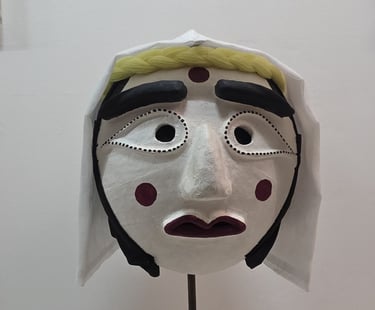
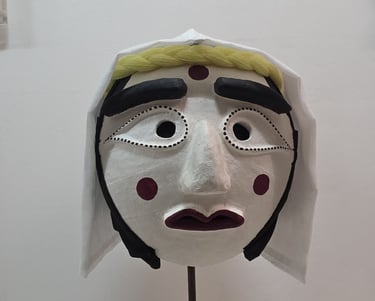
Suyeong Yaryu (mask dance drama of Suyeong)
COMING SOON
The Suyeong Yaryu was inscribed as National Intangible Heritage in 1971 and was inscribed onto the UNESCO Representative List of the Intangible Cultural Heritage of Humanity in 2014 as part of the 'Talchum, mask dance drama in the Republic of Korea' listing.
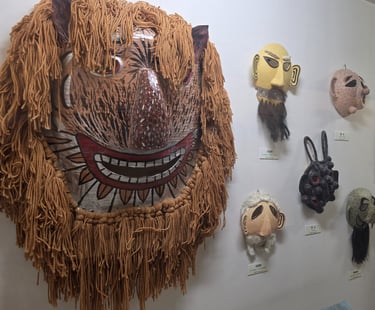
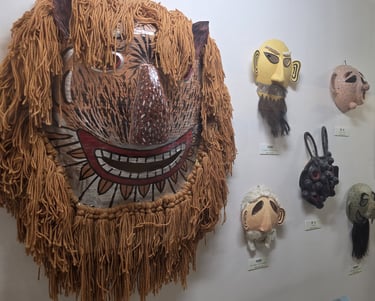
Taepyeongmu (dance of peace)
COMING SOON
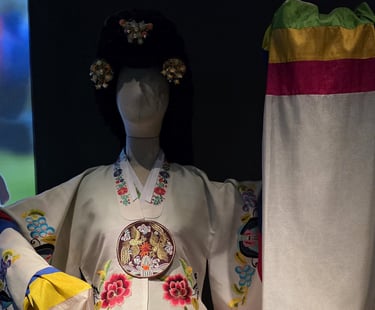
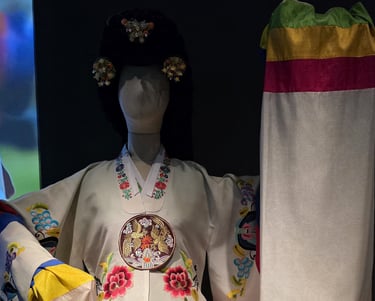
Tongyeong Ogwangdae (mask dance drama of Tongyeong)
COMING SOON
The Tongyeong Ogwangdae was inscribed as National Intangible Heritage in 1964 and was inscribed onto the UNESCO Representative List of the Intangible Cultural Heritage of Humanity in 2014 as part of the 'Talchum, mask dance drama in the Republic of Korea' listing.
Yangju Byeolsandae Nori (mask dance drama ofYangju)
COMING SOON
The Yangju Byeolsandae Nori was inscribed as National Intangible Heritage in 1964 and was inscribed onto the UNESCO Representative List of the Intangible Cultural Heritage of Humanity in 2014 as part of the 'Talchum, mask dance drama in the Republic of Korea' listing.
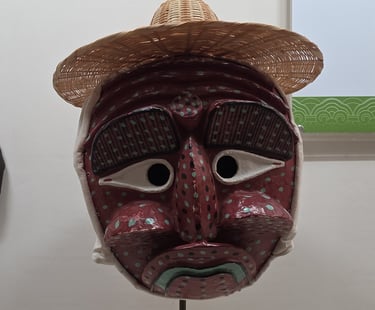
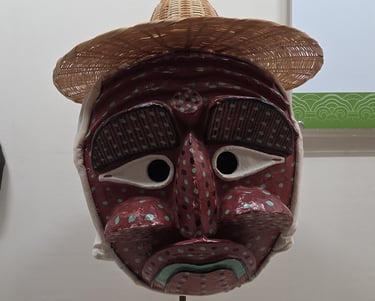
Yecheon Tongmyeong Nongyo (farmers’ song of Tongmyeong, Yecheon)
COMING SOON
Yeongsan Soemeori Daegi (wooden bullfight of Yeongsan)
COMING SOON
References/Further Reading
Cultural Heritage Administration (2014) Nongak: Community Bank Music, Dance, and Rituals in the Republic of Korea. Korea Cultural Heritage Foundation
Cultural Heritage Administration (2019) Talchum: Mask Dance Drama in the Republic of Korea. Korea Cultural Heritage Foundation
Cultural Heritage Administration (2021) Arirang: Lyrical Folk Song in the Republic of Korea. Korea Cultural Heritage Foundation
Encyclopaedia of Korean Folk Culture (n.d.) Bongsan Talchum. https://folkency.nfm.go.kr/en/topic/detail/1313
Encyclopaedia of Korean Folk Culture (n.d.) Hahoe Byeolsin Mask Dance Performance. https://folkency.nfm.go.kr/en/topic/detail/5226
Korea Heritage Service (2006) Andong Chajeon Nori (Chariot Battle of Andong). english.khs.go.kr/chaen/search/andong-chajeon-nori
Korea Heritage Service (2006) Baltal (Foot Mask Theater). https://english.cha.go.kr/chaen/search/baltal
Korea Heritage Service (2006) Bukcheong Saja Noreum (Lion Mask Dance of Bukcheong) https://english.cha.go.kr/chaen/search/bukcheon-saja-noreum
Korea Heritage Service (2006) Cheoyongmu (Dance of Cheoyong). english.khs.go.kr/chaen/search/cheoyongmu
Korea Heritage Service (2006) Gagok, lyric song cycles accompanied by an orchestra. https://english.cha.go.kr/cop/bbs/selectBoardArticle
Korea Heritage Service (2006) Intangible Cultural Heritage of Humanity - Republic of Korea - Cheoyongmu. https://english.khs.go.kr/cop/bbs/select/cheoyongmu
Korea Heritage Service (2006) Hahoe Byeolsingut Tallori (Mask Dance Drama of Hahoe). english.cha.go.kr
Korea Heritage Service (2006) Heritage Classification. english.khs.go.kr/classification
Korea Heritage Service (2006) Heritage Search. english.khs.go.kr/chaen/search/
UNESCO (n.d.) Gagok, lyric song cycles accompanied by an orchestra. https://ich.unesco.org/en/RL/gagok-lyric-song-cycles
All photographs taken by the site owner unless otherwise stated.