
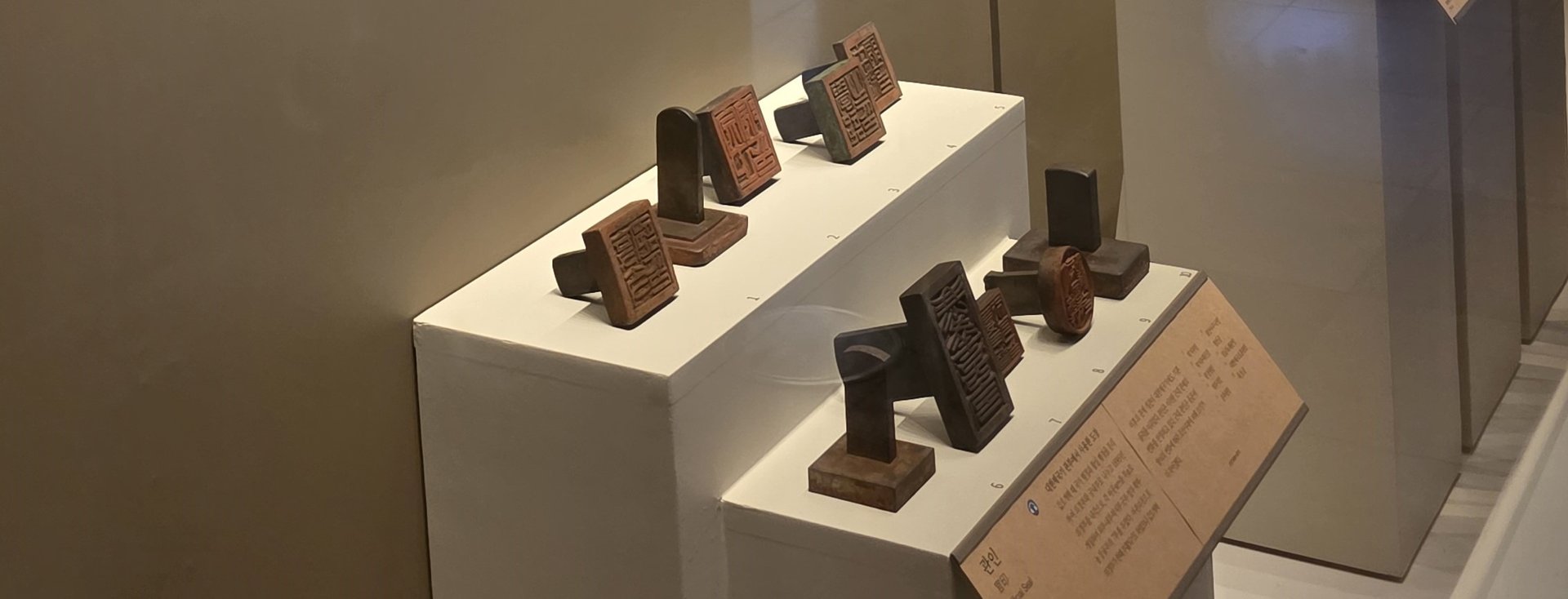
Japanese Colonial Rule
Japan’s influence in Korea had been expanding over several decades and in 1905 Korea was forced to sign the Japan-Korea Protectorate Treaty, otherwise known as the Eulsa Treaty, which made it a protectorate of Japan and resulted in Japan taking control of Korea’s foreign affairs and diplomatic relations. Five years later, the Japan–Korea Annexation Treaty formalised Japanese rule, which lasted from 1910-1945. During this period, Japan governed Korea through a centralized administration system that resulted in surveillance, repression, control, exploitation, repression and censorship. There were various attempts at resistance throughout Japanese rule, with the most notable being a nationwide peaceful protest that took place on March 1st, 1919. Today these protests are known collectively as the March First Movement. Protests were met with a violent response resulting in what is thought to be many thousands being killed, injured or arrested. From the 1930s, with the onset of the Second Sino-Japanese War and then the Second World War, Japanese assimilation policies increased and there was pressure for Korean’s to take on Japanese names as well as speak Japanese and adopt some Japanese cultural practices. It was also at this time when many were forced into labour and women and girls were forced into being comfort women for the Japanese army. Japanese colonial rule ended in 1945 when it was defeated in the Second World War.
References/Further Reading
xx