1980s Democracy
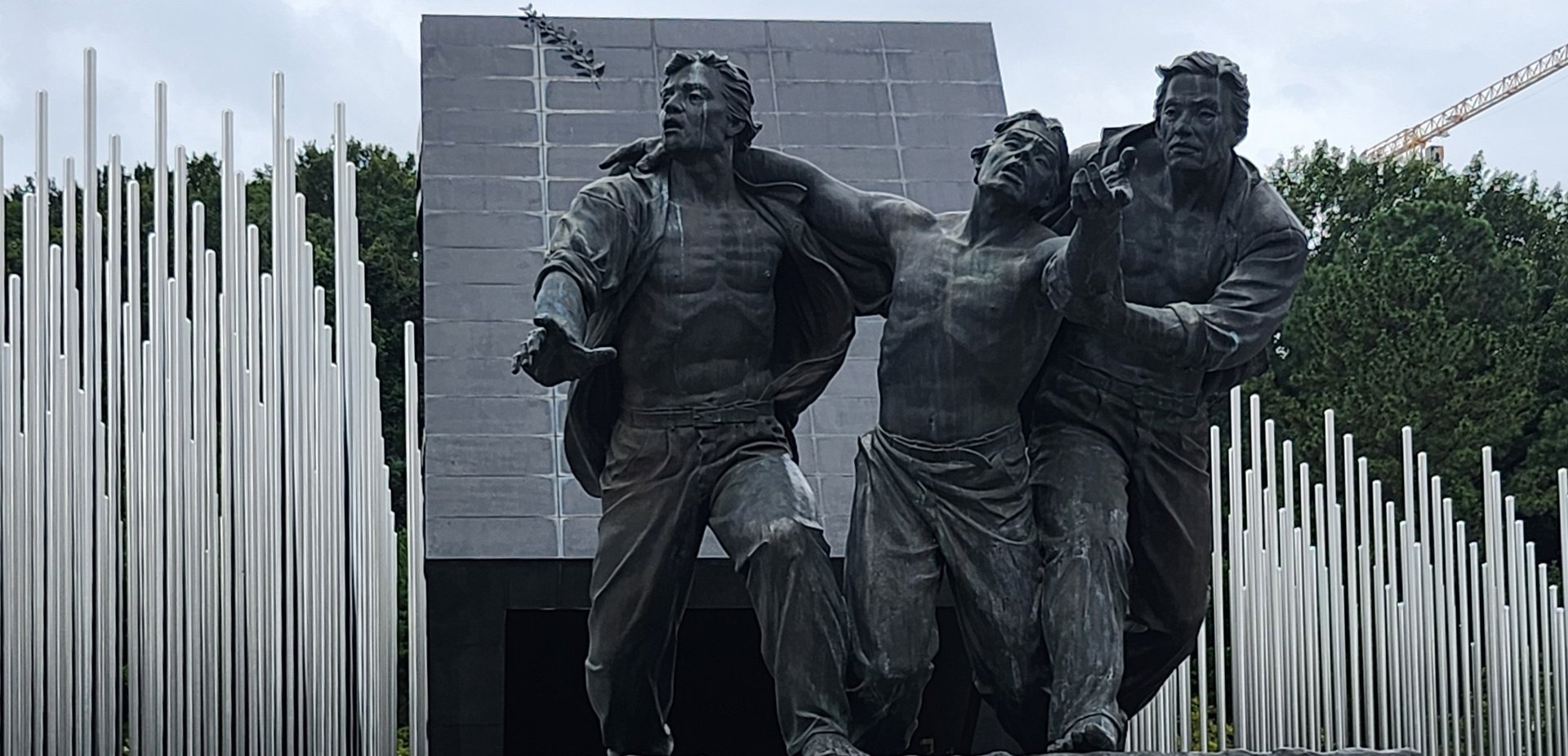
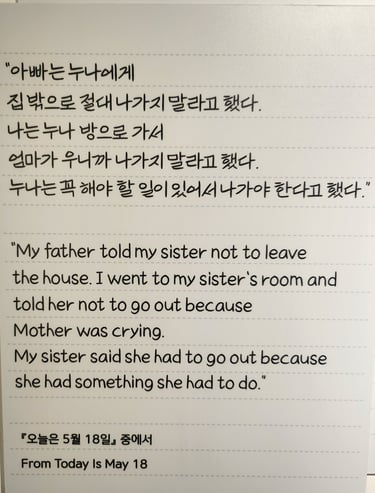
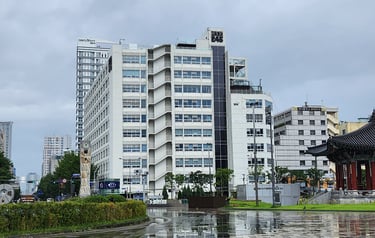
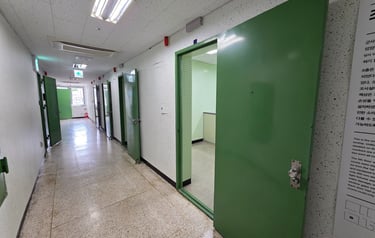
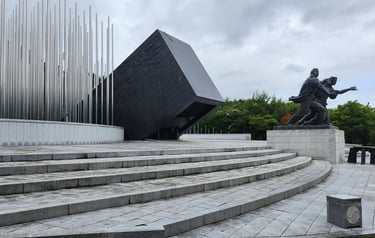
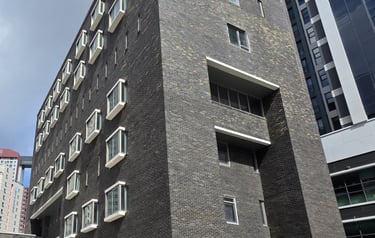
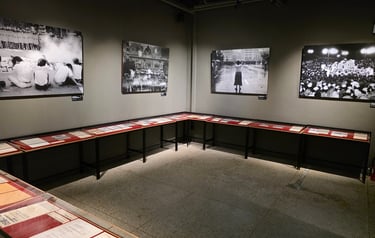
Following the end of the Korean War, South Korea expanded rapidly under the leadership of authoritarian governments. Park Chung-hee, who came to power after a 1961 coup, made economic growth the priority whilst severely restricting opposition and freedom. The Yushin Constitution gave him even greater power, which he justified in the name of national security, but opposition grew. In 1979 Park was assassinated but another coup ensued under the leadership of Chun Doo-hwan and his tightened control led to large-scale pro-democracy protests throughout the country. In turn, this led Chun to further expand martial law, arrest those opposing him and shut down central government. Student protests against martial law and in favour of democracy at this time resulted in political activity being banned, the arrest of those who opposed and the closure of universities. In May 1980, students in Gwangju led a protest known today as the Gwangju Uprising, which resulted in them being violently suppressed, leading to a still unclear number of deaths. Today you can visit the Jeonil 245 building in Gwangju, which still bears the scars of helicopter gunfire from these events, and where you can find out more about events that occurred in Gwangju at that time. A major turning point came in 1987 following the death of student activist Park Jong-chul during an interrogation (at the now National Museum of Korean Democracy) and the injury of student protestor Lee Han-yeol when he was hit with a tear-gas grenade thrown by police. This resulted in huge nationwide protests. Later that same month, the South Korean government accepted that democratic reforms would take place.
Documents relating to the Gwangju Uprising were inscribed onto the UNESCO Memory of the World List in 2011.
References/Further Reading
xx