
Petroglyphs along the Bangucheon Stream: one UNESCO listing, two very different experiences
HERITAGE SITES
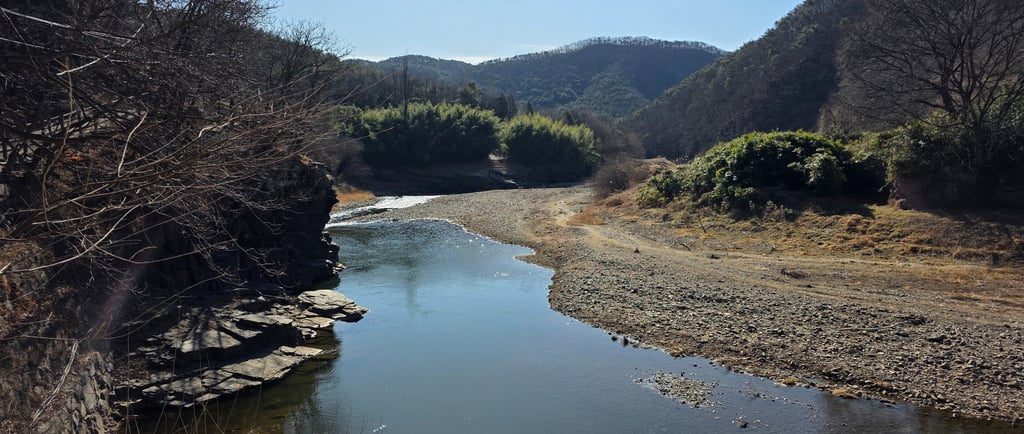
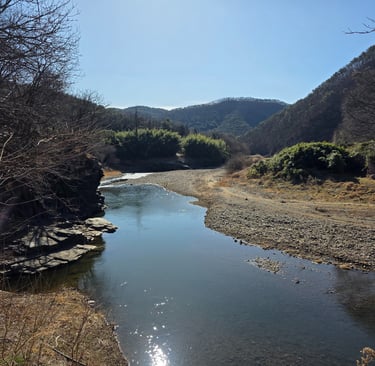
If you're looking for a relaxing cultural heritage experience away from the hustle and bustle of the city, then the newly inscribed UNESCO World Heritage listing for the Petroglyphs along the Bangucheon Stream could be just the place for you. The listing comprises of two different sets of petroglyphs in Ulsan: one at Cheonjeon-ri and the other at Daegok-ri. There are also two museums close by - Ulsan Daegok Museum and Ulsan Petroglyph Museum.
Ulsan is a short train ride away from Busan and it is easy to get to the Bangucheon Stream area from Ulsan Tongdosa Station. Having checked out the area beforehand, I knew that starting at Ulsan Daegok Museum was a sensible option as it would allow me to follow a trail taking in all four sites and ending with Daegok-ri. There is a bus service from the train station, but it is infrequent with only a few buses each day, so I chose to take a taxi, which took around 15 minutes.
Ulsan Daegok Museum is a lovely little museum holding artefacts recovered during the construction of the nearby Daegok Dam. The museum focuses on the historical use of the area, making it extremely helpful in contextualising the petroglyphs. Staff at the museum were really helpful and put me on the right track for the Cheonjeon-ri petroglyphs, as the start of the trail wasn’t clearly signposted.
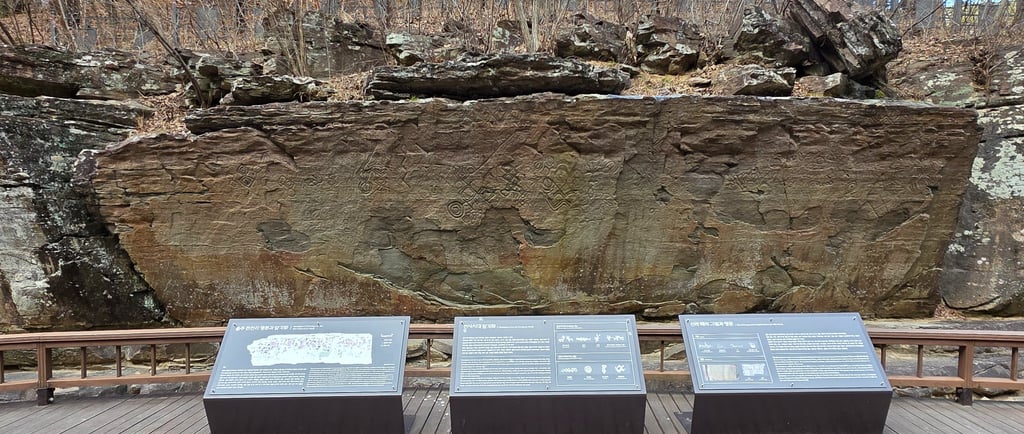
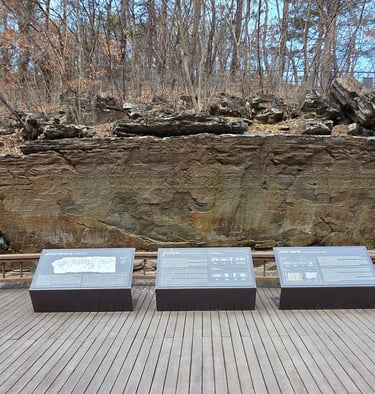
From there it was around a 15-minute walk to reach the first petroglyph site of Cheonjeon-ri, which is in a stunning location with a winding stream that is surrounded by rocky outcrops. There was also a small information centre on site and even though I didn't ask for help, a steward came out to tell me about the site and answered questions about getting to the Daegok-ri petroglyphs. The Cheonjeon-ri petroglyphs were easily visible with nice interpretation and extremely interesting to view, with many examples of petroglyphs dating to the Neolithic, Bronze Age and Silla periods. This was my first experience of viewing petroglyphs, and I wasn't disappointed. After viewing, I set off on a hillside trail that would take me to the other sites. After around 30 minutes I reached the Ulsan Petroglyph Museum, which was also very interesting with helpful staff. This museum focused on of petroglyphs, their journey towards UNESCO status and why they have outstanding universal value.
With the museum visit complete, I set off to see the final set of petroglyphs at Daegok-ri. On the way I came across an area that had some dinosaur footprints with an interpretation panel and a couple of what looked like historical buildings but with no interpretation. After around 20 minutes, I arrived at Daegok-ri. Here there was also a small information centre, but there was no sign of any staff. Unlike Cheonjeon-ri, the petroglyphs were on the opposite side of the stream to the viewing area, putting quite a distance between the viewer and the petroglyphs. To assist with this, the site had several tower viewers that covered different areas of the large rockface. I looked through three different viewers but could not find any petroglyphs, so spent some time trying to cross reference the rock surface with a photograph but still couldn't find any matches. In the end, I left in frustration without seeing any of the Daegok-ri petroglyphs. I took photographs and recorded video before leaving to try and find the petroglyphs later but still could not see any. I still don't know why I was unable to see anything either on site or in the recorded images and can only presume that the bright sun at the time off my visit may have been to blame.
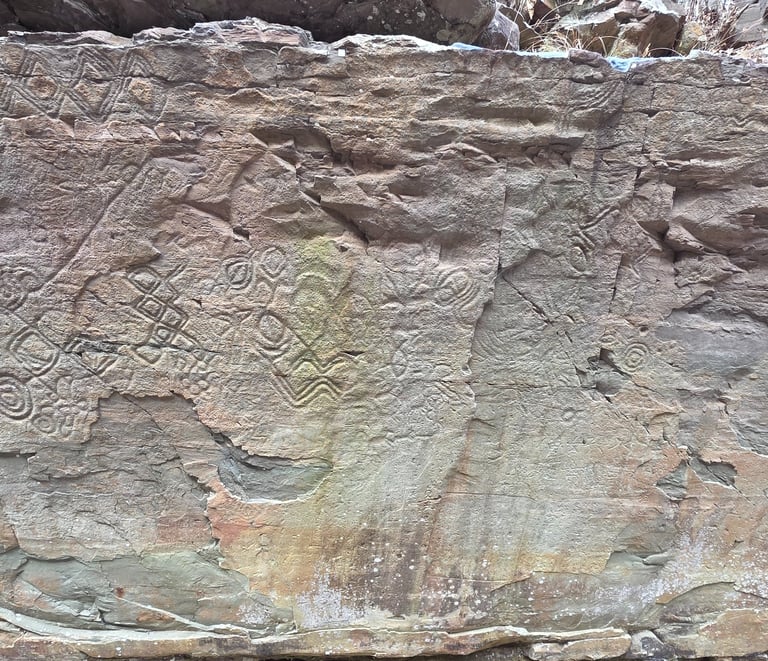
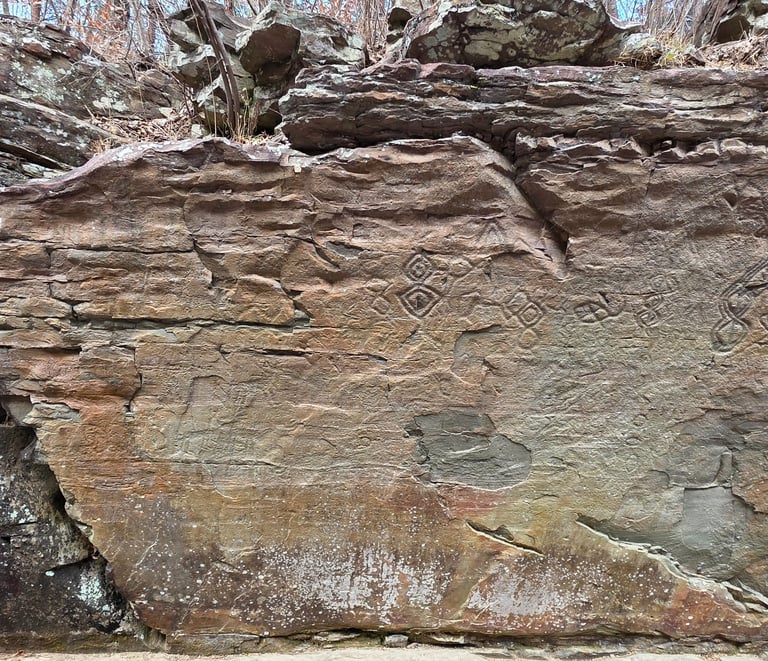
Whilst my overall experience was very positive and enjoyable, I remain disappointed at not being able to see the Daegok-ri petroglyphs and hope that further on-site interpretation and staff assistance can help with such issues for others. On-site interpretation for the historic buildings on the route between Ulsan Petroglyph Museum and the Daegok-ri petroglyphs would also be helpful, as visitors who pass through this remote area are likely to be interested in its wider history. The UNESCO listing of the petroglyphs is very recent (2025) therefore it seems likely that the dedicated property management body set up by the local government (as mentioned on the UNESCO listing page) will further develop the area allowing for a coherent and wholly positive experience for visitors.