
Jongmyo Redevelopment Dispute
HERITAGE SITES
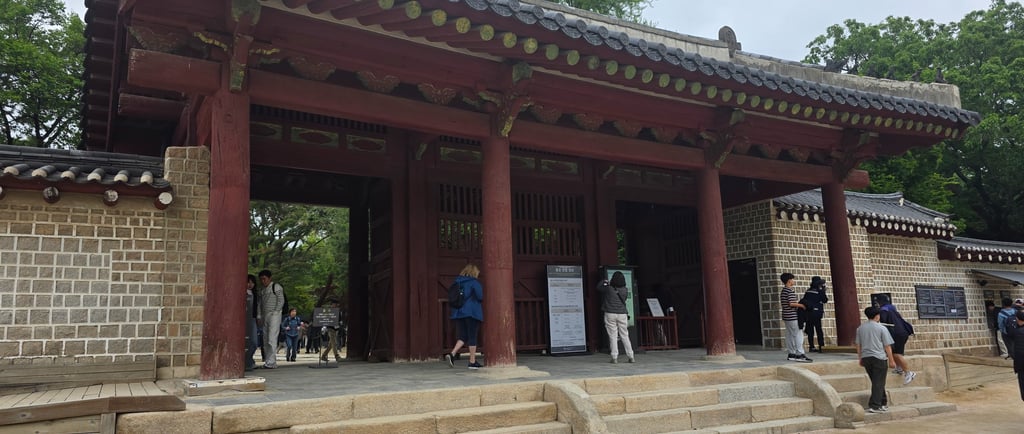
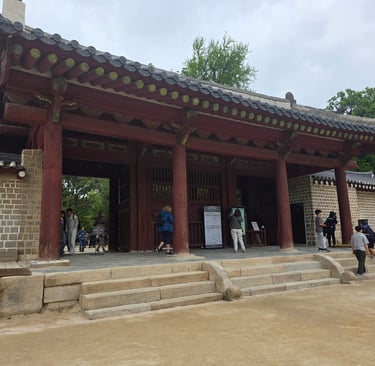
November saw a flurry of activity regarding the proposed redevelopment of an area only a few hundred metres away from Jongmyo Shrine in Seoul, and recent reports indicate that the issue will continue for some time to come. For those not familiar with Jongmyo Shrine, it was inscribed onto the UNESCO World Heritage List in 1995 due to its outstanding universal value as a Joseon Dynasty Confucian shrine that had remained unaltered since the 17th century. Jongmyo is also the home of numerous ancestral tablets (wooden or stone tablets bearing the name of an individual) belonging to Joseon Dynasty royalty. Not only is the site itself important, but the Jongmyo Jerye (a royal ancestral ritual) and the Jongmyo Jeryeak (the music that accompanies the Jongmyo Jerye), which have been performed at the shrine since the 15th century and continue to be performed annually, were inscribed onto the UNESCO National Intangible Cultural Heritage List in 2001.
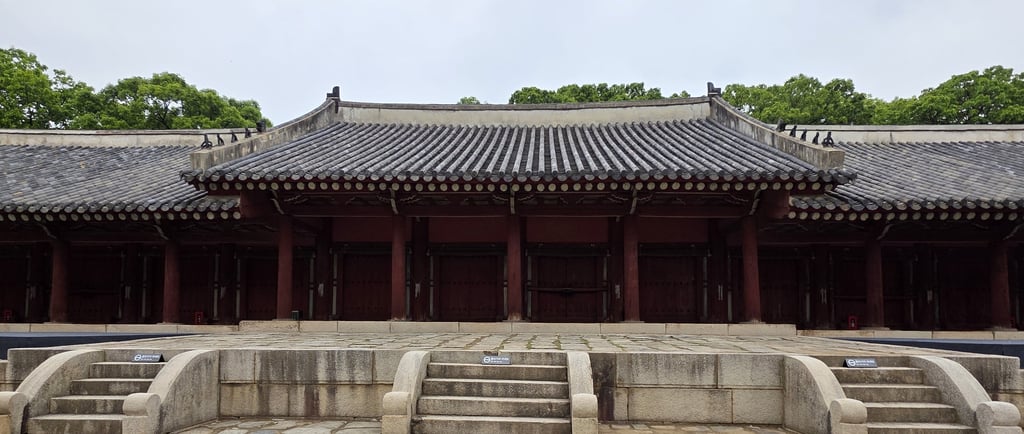
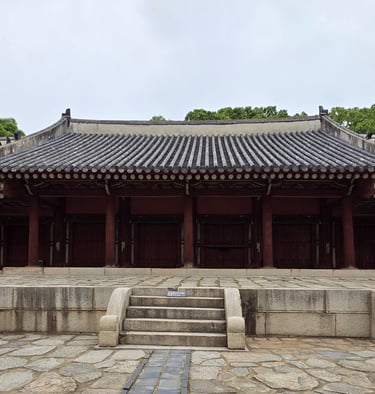
Concerns were first raised in early November following a Supreme Court ruling allowing for the redevelopment of an area known as Sewoon District 4, which included the construction of highrise buildings that would have a significant impact on the skyline around the shrine, and thus have the potential to have a serious detrimental effect on its cultural value. According to the Korea Times, the Seoul Metropolitan Government commented that “The redevelopment project for Sewoon District 4, which had been stalled for over 20 years, can now finally move forward,”....“We’ll do our best to preserve the historical value of cultural heritage while simultaneously revitalizing Seoul and ensuring its future competitiveness.”
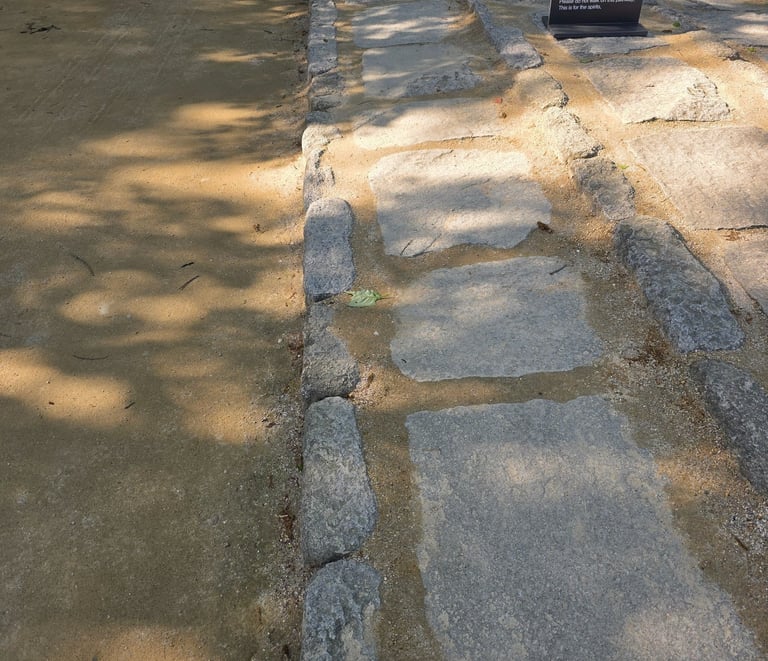
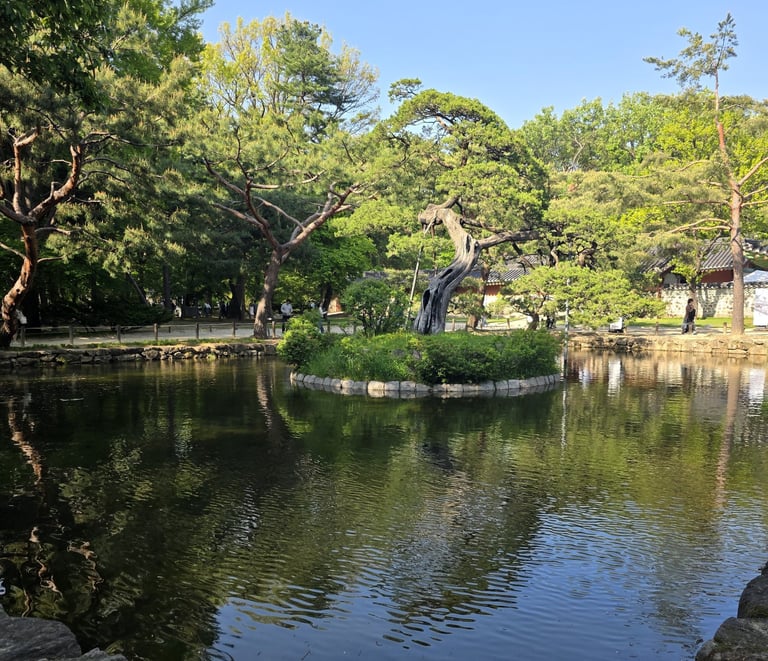
Shortly afterwards, it became clear that other stakeholders did not agree with the decision. In mid-November the Korea Heritage Service, the government agency responsible for South Korea's heritage, promised to improve the protection of the site and went on to designate a large area around the site as a world heritage zone, which would require any projects to undergo assessment and evaluation as well as allowing for Korea Heritage Service intervention. Shortly afterwards, UNESCO voiced its concerns, making clear that the site could be put on the List of World Heritage in Danger if its key features were to be compromised, which could potentially lead to its World Heritage status being revoked. Later in November, the International Council on Monuments and Sites (ICOMOS) also issued a statement on the proposed redevelopment, and since that time it has been suggested that a World Heritage Impact Assessment should take place. In the most recent development, and in the midst of what has now turned into a political battle as well as an ongoing dispute over the fate of the site, Hanho Construction, which owns a huge swathe of Sewoon District 4 land, announced its intention to sell.

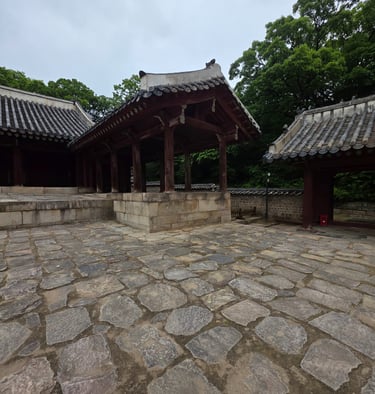
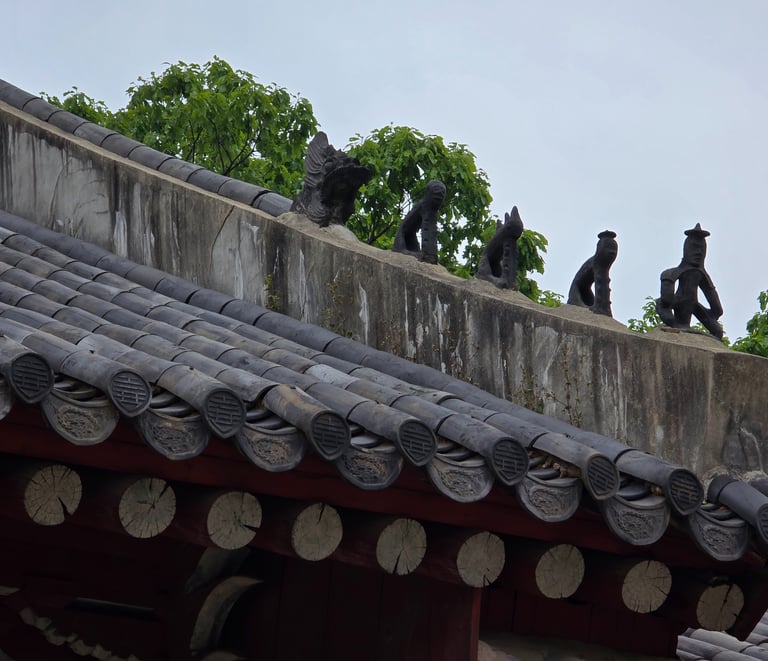
With the fates of the Sewoon District 4 redevelopment and Jongmyo Shrine undecided, what has become clear is that at the very core of the problem is the issue of urban development versus the preservation of cultural heritage. Attempting to balance the two is certainly not a new issue, but it is an issue that can become particularly problematic because stakeholder perspectives may be polarised. In South Korea, for cities such as Seoul or Gyeongju, which are particularly rich in cultural heritage, there is significant potential for issues to occur. This is especially the case for Seoul due to its role as both an urban and a tourist hub. Although the site of Jongmyo Shrine would not and could not be physically impacted by the proposed redevelopment, its proximity and the plan to erect highrise buildings does have the potential to significantly impact its cultural heritage value - a value that is protected at the national level by the Korea Heritage Service, and at the global level by UNESCO. With the outcome of the dispute still undecided, the action of the Korea Heritage Service in designating the area around Jongmyo as a world heritage zone seems to make clear its intention to do all it can to protect the site from potential impact. This action may also be indicative of national priorities in terms of the protection of cultural heritage. Whatever the final outcome may be, it is expected to provide a greater understanding of how the country wishes to navigate the difficult relationship between development and preservation.