Beonwajang
TRADITIONAL PRACTICES
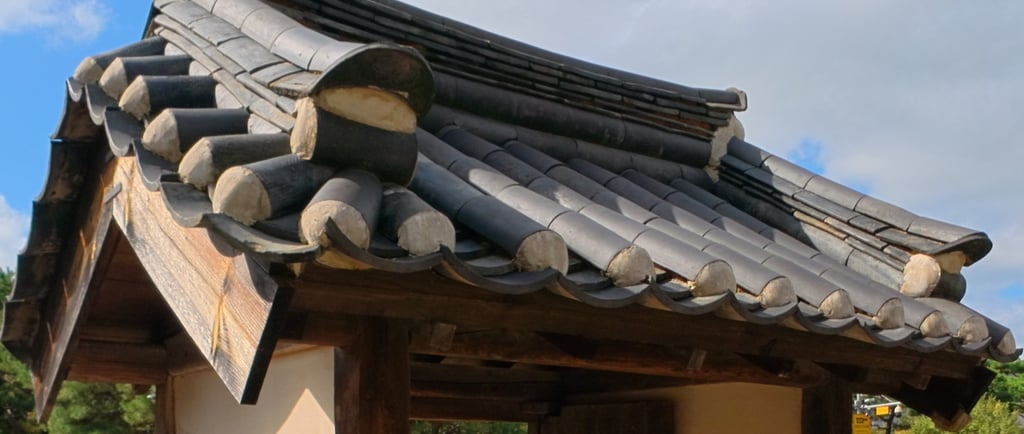
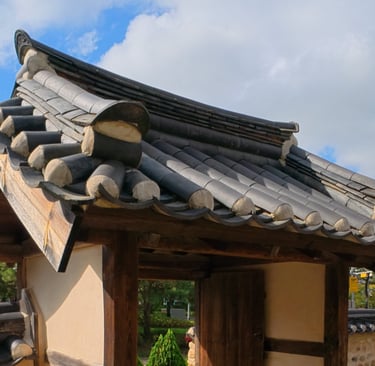
Beonwajang, or traditional tile roofing, was classed as National Intangible Cultural Heritage (number 3876) by the Korea Heritage Service (KHS) in 2008. Beonwajang relates to both the production of tiles by traditional means and the roofing process itself.
Traditional Korean roofs are made up of a number of different tile types, which interlock to form a waterproof and windproof barrier. The most general term for tiles is giwa. Firstly, amkiwa, or concave roof tiles are laid as a surface for channeling water, then sukiwa are laid over the joints of amkiwa to form a raised curved surface.
Traditional handmade amkiwa and sukiwa are made using various kinds of earth (clay) that is kneaded, flattened into sheets, shaped using a wooden cylinder and stamped with a pattern if required, before being allowed to dry. They are then separated whilst being removed from the wooden cylinder and allowed to dry fully before being baked in an extremely hot kiln for around 15 hours.
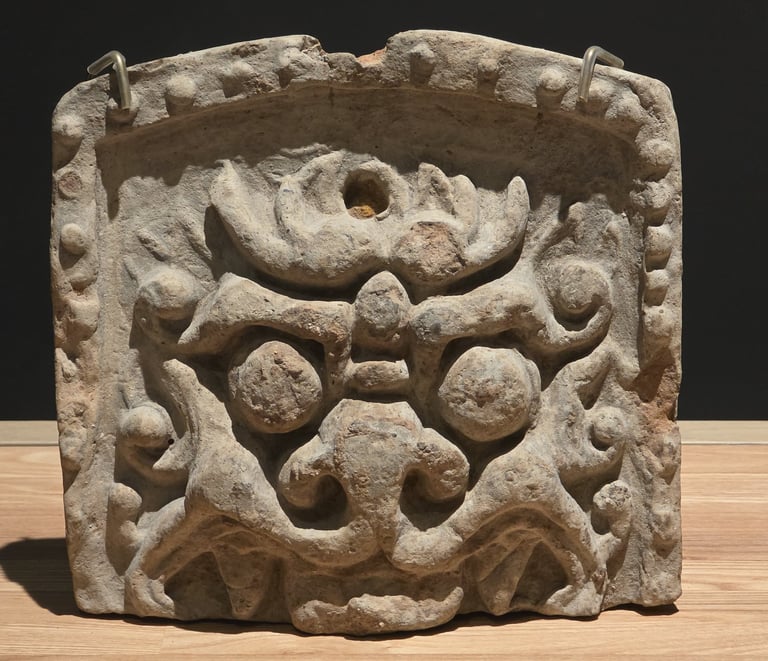
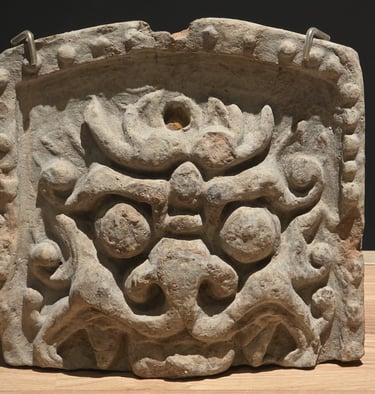
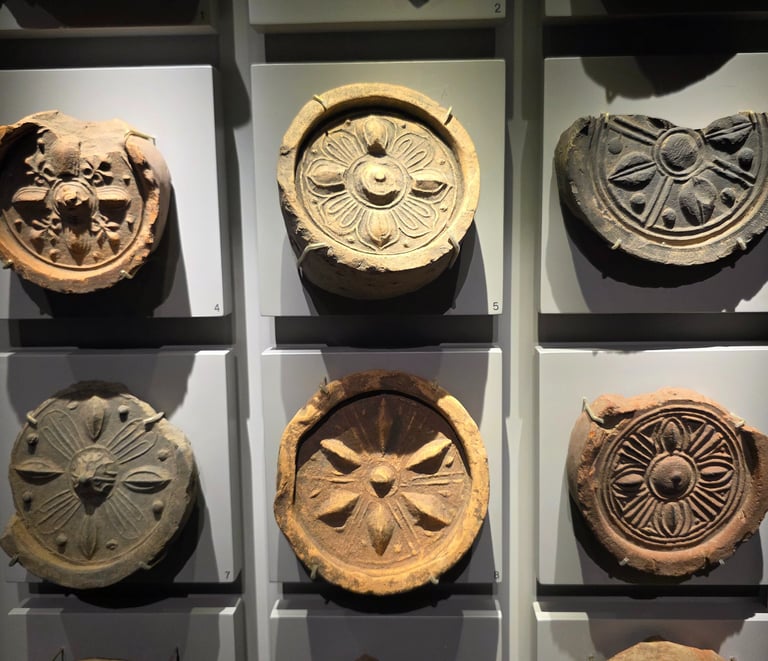
Roof end tiles, known as wadang, are made with the same materials and are shaped by hand before using a tile mould and a hammer to stamp the required pattern before baking. There are two different types of wadang. Those applied to convex roof tiles are known as sumaksae, whilst those applied to flat roof tiles are called ammaksae. There are many different styles of wadang, including various flower patterns and monster patterns.
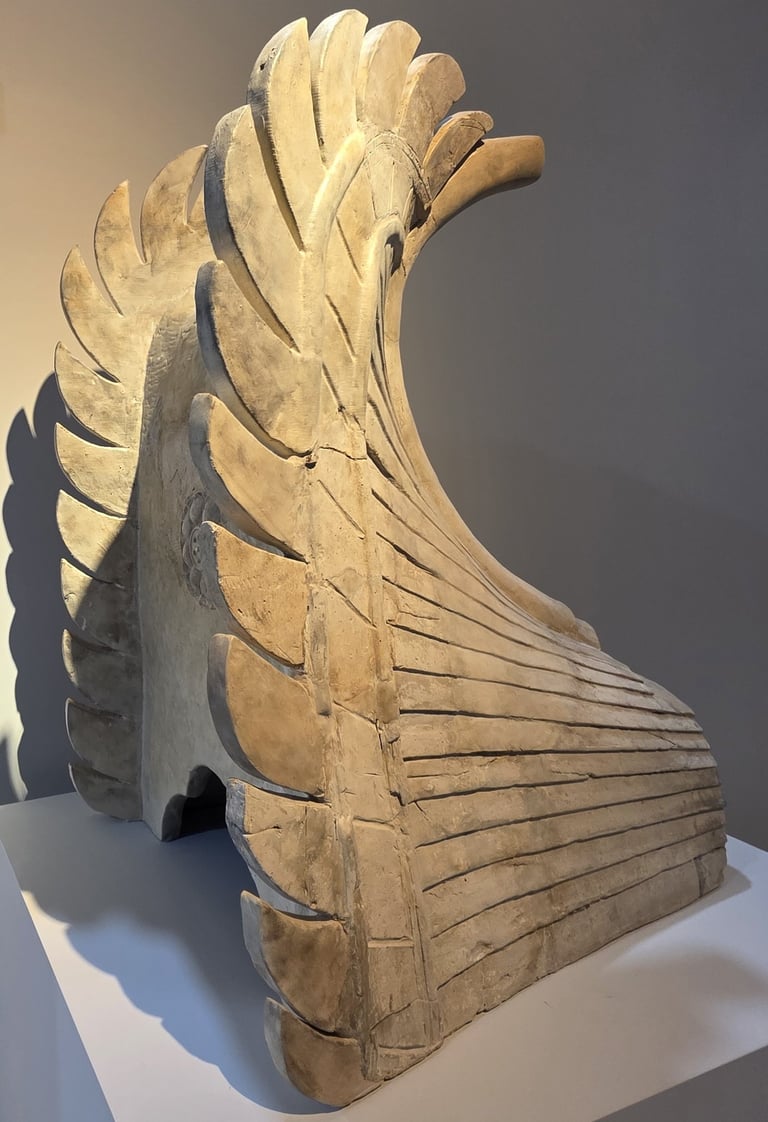
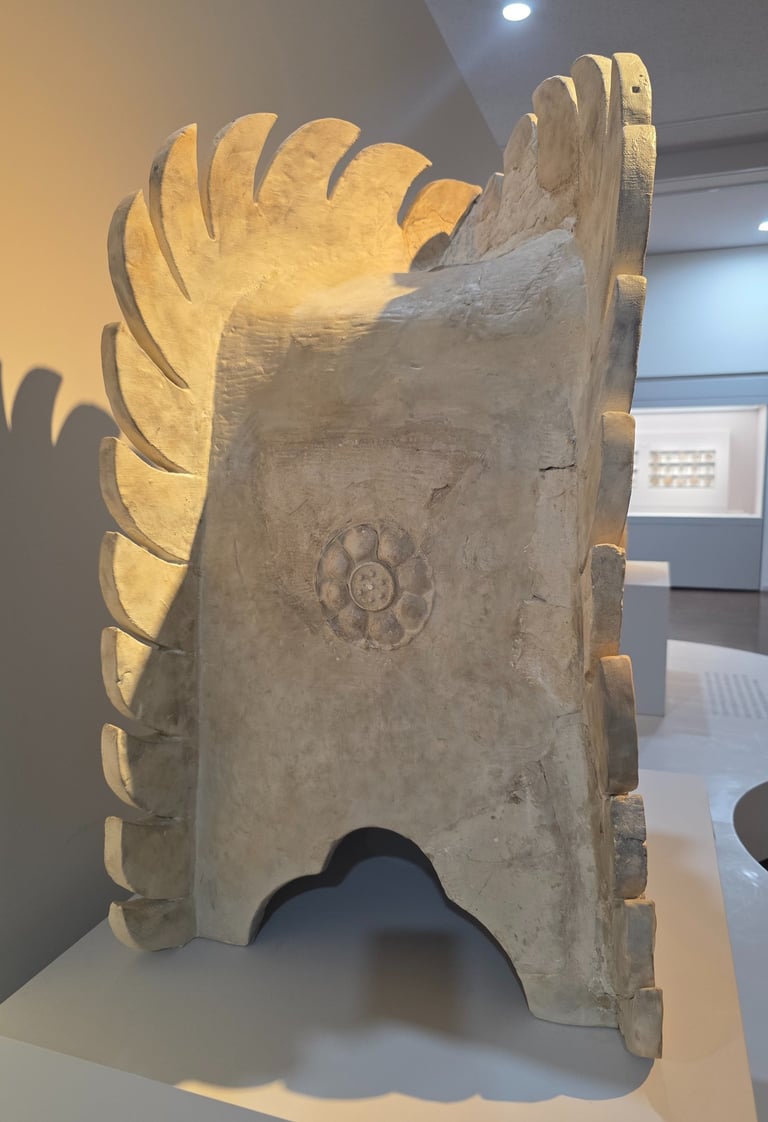
Large clay chimi tiles, which are placed at the end of roof ridges, are similarly made in terms of the use of materials, moulds and baking. These are the most common type of chimi, but other examples are known which use materials such as gilt-bronze, gold, lead and stone.
Today, machinery is also used to manufacture giwa, however tiles made in this way are identical, whereas traditional handmade giwa have individual differences in colour and shape. If giwa are produced for the purpose of being used on buildings classed as national treasures, then only traditional handmade tiles are used.